
Imagine strolling through a vibrant garden filled with many flowers, each with distinct colors and shapes. This is similar to the world of axolotls, where various morphs and colors create a spectacular visual feast. Understanding these varieties isn’t just fun; it’s essential for anyone looking to care for these creatures or simply appreciate their beauty.
Let’s explore the captivating world of axolotls, where color meets character, and rarity adds a layer of intrigue.
What Are Axolotls?
Axolotls are a type of salamander, but unlike their land-dwelling relatives, they spend their entire lives in water. They’re famous for their incredible regenerative abilities, which allow them to regrow lost limbs and even parts of their heart and brain. You might be wondering how they manage to do this; it’s a fascinating adaptation that helps them survive in their natural habitat.
Originally found in the wild around Lake Xochimilco in Mexico City, these creatures are now critically endangered due to habitat loss and pollution. However, they’ve become popular in the pet trade, leading to a surge in different colors and morphs through selective breeding. So let’s move on and look at the different types of axolotls you’ll encounter!
Common Axolotl Colors
When it comes to colors, axolotls are like a box of crayons. Here are some of the most common colors you’ll find:
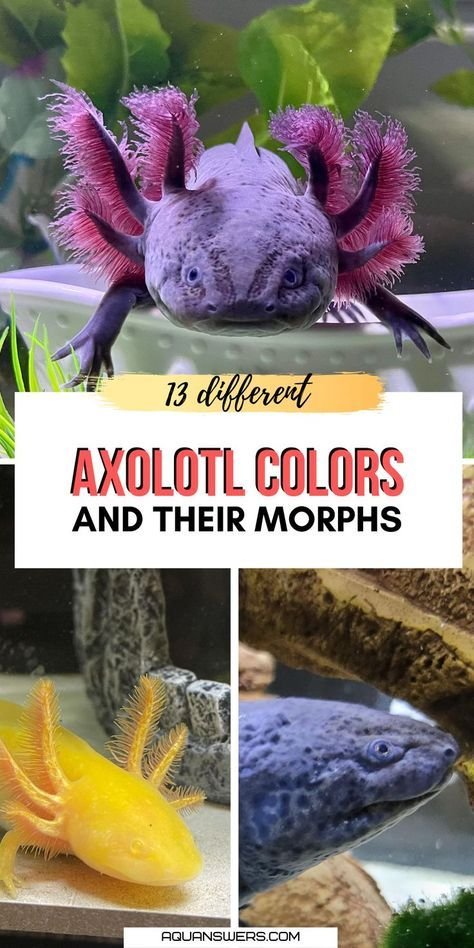
- Wild Type: This is the natural color of axolotls, featuring a dark brown or black body with spots. They remind many of small eels swimming gracefully.
- Leucistic: Think of porcelain dolls—these axolotls are pale pinkish-white with faint golden or peach undertones. They often have dark eyes that add a charming contrast.
- Albino: These axolotls are strikingly white with reddish-pink gills. Their bright appearance is due to a lack of pigmentation, making them a favorite among many enthusiasts.
- Golden Albino: Similar to standard albinos but with a vibrant golden hue, giving them a shiny, cheerful look. They truly stand out in any aquarium!
Each color variation has its unique charm and appeal. As you consider which type might suit your preferences, think about how their appearance can reflect your personality or living space.
Unique Axolotl Morphs
Morphs refer to variations within a species, and axolotls have several intriguing morphs that make them particularly interesting. Here’s a closer look at some popular morphs:
- Melanoid: These axolotls are completely dark, often appearing black. The absence of reflective pigments gives them a deep, mysterious look, reminiscent of a shadow swimming through water.
- Piebald: Known for their unique patterning, piebald axolotls have large patches of color mixed with white. This irregular pattern can vary widely, making each piebald axolotl quite unique.
- Lucistic (Enhanced): A twist on the typical leucistic axolotl, these have a more pronounced coloration. They often exhibit a more vibrant contrast between their body and gills.
You might notice that the morphs often influence how axolotls are perceived in the pet trade. People are drawn to certain morphs based on their visual appeal, leading to a fascinating market for these unique creatures.
Rarity and Availability of Axolotl Colors
In the world of axolotls, not all colors and morphs are created equal. Some are much rarer than others, making them highly sought after. Here’s a breakdown of the rarity levels you might encounter:
- Common Colors: Wild types and leucistic axolotls are the most commonly found in pet stores. These are generally the most accessible for new pet owners.
- Rare Colors: Albino and golden albino axolotls are a bit harder to find, especially in certain regions. Their striking appearance and unique attributes make them popular choices.
- Specialty Morphs: Melanoid and piebald axolotls can be quite rare, often available through specific breeders. Their distinctive appearances appeal to collectors and enthusiasts.
If you’re considering adding an axolotl to your family, understanding these rarity levels can help you make an informed decision about what type to seek out. Whether you want a common companion or a rare gem, knowing what’s available can guide your choices.
Caring for Different Types of Axolotls
No matter the color or morph, basic care for axolotls remains consistent. They thrive in fresh, cool water that mimics their natural habitat. Here are some essential care tips:
- Tank Size: Ideally, you should have at least a 20-gallon tank for your axolotl, with plenty of swimming space. They love to explore their environment!
- Water Conditions: Maintaining proper water quality is crucial. Use a good filtration system and test the water regularly for ammonia, nitrite, and nitrate levels.
- Food: Axolotls are carnivorous, so they’ll need a diet high in protein. You can feed them worms, pellets formulated for axolotls, or small fish.
Honestly, if you invest time in learning about the specific needs of your axolotl’s type, you’ll ensure it leads a healthy and happy life. Taking care of these quirky creatures can be incredibly rewarding!
In the end, the world of axolotls is as colorful and diverse as the personalities of the people who love them. With multiple colors and morphs to choose from, there’s an axolotl for almost everyone. Whether you’re drawn to the wild type for its natural charm or the rare piebald for its uniqueness, these creatures bring joy to many homes.
As you consider welcoming an axolotl into your life, remember that each color and morph has its own story and appeal. The best part? You’re not just adopting a pet; you’re joining a community of axolotl lovers who share a passion for these extraordinary beings. So, go ahead and explore this vibrant world—it’s full of surprises waiting just for you!

